
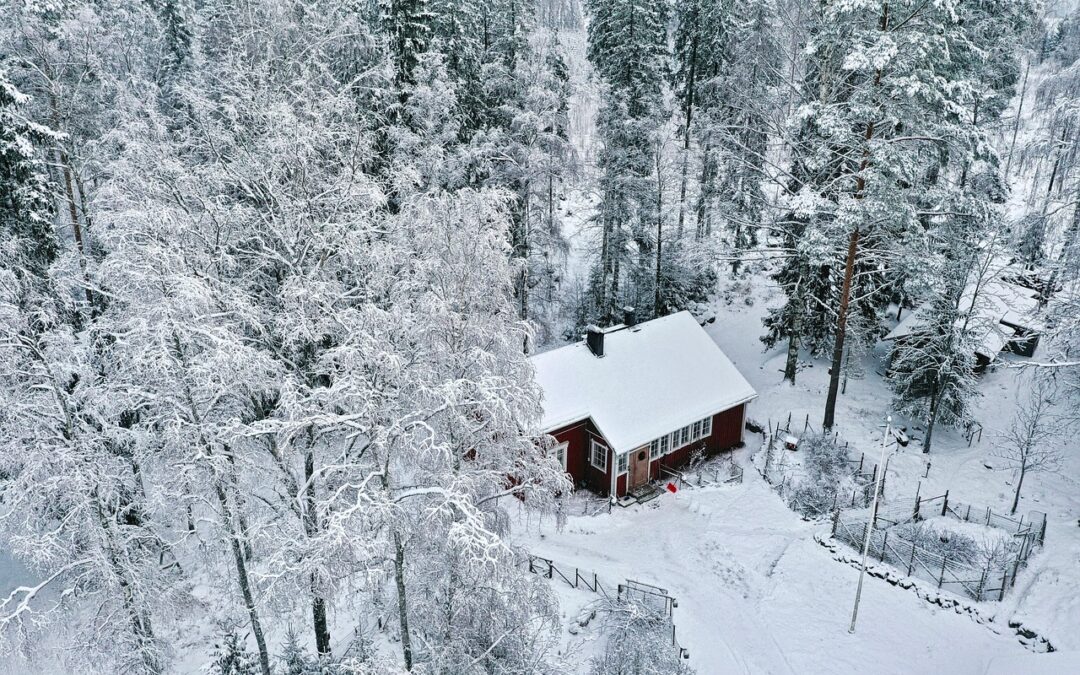
Protecting Your Wenatchee Roof During the Winter
Winter in the Wenatchee Valley is beautiful, but it can be harsh on your home, especially your roof. The unique combination of heavy snowfall, freeze-thaw cycles, and occasional chinook winds puts significant stress on roofing materials. Proper winter roof maintenance is not just a chore; it’s a critical investment in protecting your home from costly damage. This guide will walk you through everything you need to know to keep your Wenatchee roof safe and secure all season long.
We’ll cover essential prevention tips, how to spot trouble, and what to do when winter weather gets the best of your roof. By taking a few proactive steps, you can ensure your home stays warm and dry, no matter what the forecast holds.
Understanding Wenatchee’s Unique Winter Challenges
Our local climate presents a specific set of risks for your roof. Unlike other regions, Wenatchee homeowners must prepare for:
- Heavy Snow Loads: The Cascades can dump significant amounts of heavy, wet snow, which adds immense weight to your roof structure.
- Freeze-Thaw Cycles: Valley temperatures often swing above and below freezing, sometimes in the same day. This causes melting snow to refreeze, expanding in cracks and creating ice dams.
- Ice Dams: When the upper part of your roof is warmer than the eaves, snow melts, runs down, and refreezes at the colder edge. This creates a dam of ice that traps water, forcing it up under your shingles and into your home.
- Chinook Winds: Sudden warm winds can cause rapid snowmelt, overwhelming your gutters and creating a high risk for leaks. Strong winds can also lift and tear shingles, especially if they are older or already loose.
Your Pre-Winter Roof Inspection Checklist
The best time for winter roof maintenance is in the fall, before the first major snowfall. A thorough inspection allows you to address problems while the weather is still mild. Use this checklist to prepare your roof for the season ahead.
- Clean Your Gutters: Remove all leaves, pine needles, and debris. Clogged gutters are a primary cause of ice dams. Consider installing gutter guards to make this task easier in the future.
- Inspect Shingles and Flashing: Look for any shingles that are cracked, curled, or missing. Pay close attention to the flashing—the metal strips around chimneys, vents, and skylights. Ensure it is secure and sealed.
- Seal Penetrations: Check pipes, vents, and other penetrations for gaps or cracked sealant. Reseal them with a high-quality, weather-resistant caulk to prevent water intrusion.
- Treat Moss Growth: Moss acts like a sponge, holding moisture against your roof and accelerating shingle decay. Use a zinc-based moss treatment to kill it off before winter. Do not pressure wash or aggressively scrape it, as this can damage the shingles.
- Check Your Attic: Look for signs of moisture, dark stains, or daylight coming through the roof boards. These are clear indicators of an existing leak that needs immediate attention.
The Key to Ice Dam Prevention: Insulation and Ventilation
Many homeowners believe ice dams are just a gutter problem, but they actually start inside your attic. A warm attic melts snow from the underside of the roof deck. The secret to preventing this is keeping your attic cold.
Proper Attic Insulation
Insulation on your attic floor prevents heat from your living space from rising and warming the roof deck. Check your insulation levels. While specific codes vary, many homes in our climate benefit from an insulation R-value between R-49 and R-60. A well-insulated attic floor keeps heat where it belongs—in your house.
Effective Attic Ventilation
Ventilation creates a continuous flow of cold, dry air through the attic, flushing out any warm, moist air that gets in. This keeps the roof deck the same temperature as the outside air. A balanced system typically includes:
- Soffit Vents: Located under the eaves, they draw in cold air.
- Ridge Vents: Located at the peak of the roof, they allow warm air to escape.
Ensure your vents are not blocked by insulation, debris, or paint. Proper ventilation is a year-round benefit, helping to reduce cooling costs in the summer and prevent moisture buildup.
Safe Snow and Ice Removal
When heavy snow accumulates, you may need to remove it to relieve stress on your home’s structure. However, getting on a snowy roof is extremely dangerous and should be avoided.
- Use a Roof Rake: A long-handled roof rake allows you to safely pull snow off from the ground. Focus on clearing the first 3-4 feet from the eaves to help prevent ice dams. Use a rake with wheels or rollers to avoid damaging your shingles.
- Know When to Call a Pro: If the snow is too deep, has turned to ice, or if you see signs of structural stress, it’s time to call a professional. A qualified Wenatchee roofing company has the safety equipment and experience to remove snow and ice without damaging your roof or risking injury.
Warning Signs of Roof Stress
- Creaking or popping sounds from the attic
- Doors or windows that suddenly stick or become hard to open
- Visible sagging of the roofline
- Cracks in interior drywall or plaster near the ceiling
If you notice any of these signs, evacuate the building and call a professional immediately.
Comparing Roofing Materials for Winter Performance
The type of roof you have can influence its performance during a Wenatchee winter.
- Asphalt Shingles: As the most common material, asphalt holds snow well, which can be both good (insulating) and bad (weight). It is susceptible to damage from ice dams and freeze-thaw cycles, especially as it ages.
- Metal Roofing: Metal sheds snow very effectively due to its smooth, low-friction surface. This reduces the risk of heavy snow loads and ice dams. However, falling snow and ice can be a hazard for people and property below, so snow guards are often recommended.
- Cedar Shake: A beautiful, rustic option, cedar provides good insulation. However, it requires more maintenance and is prone to moss growth and moisture retention if not properly cared for. Its rough surface can hold snow, increasing the load.
Your Year-Round Maintenance Schedule
Protecting your roof is not a one-time task. Follow this simple cadence for peace of mind.
- Fall Prep: Complete your full inspection and repair checklist.
- Mid-Winter Check: After major storms, visually inspect your roof from the ground and check your attic for any signs of leaks.
- Spring Follow-Up: Once the snow has melted, perform another inspection to assess for any damage that occurred during the winter and make necessary repairs.
Don’t Wait for a Leak to Act
Your roof is your home’s first line of defense against the elements. Taking proactive steps now can save you from the stress and expense of emergency repairs in the middle of a storm. A professional roof inspection in Wenatchee can identify potential issues you might miss and give you a clear plan to ensure your home is ready for winter.
Protect your investment and your peace of mind. Contact us today to schedule a comprehensive pre-season roof inspection before the next storm hits.
Recent Comments